Description
This guidebook was created by Madelynn Wellons, the 2019 Dinah F.B. Cohen DREAM Fellow. It was designed to be, “..a mentor equivalent for people with disabilities who do not have a mentor to guide them through the disclosure process.”
FREE
A guidebook intended to help guide young people with disabilities through the disclosure process.
This guidebook was created by Madelynn Wellons, the 2019 Dinah F.B. Cohen DREAM Fellow. It was designed to be, “..a mentor equivalent for people with disabilities who do not have a mentor to guide them through the disclosure process.”
This updated edition includes strategies for adopting a mentoring culture and implementing successful mentoring programs, as well as support for why investing in mentoring as part of an overall disability inclusion strategy makes good business sense. This document was created in partnership with the U.S. Department of Labor’s Office of Disability Employment Policy (ODEP) and the National Disability Mentoring Coalition (NDMC).
This guidebook provides information on how to provide an inclusive working environment for the working team. It emphasizes the importance of diversity and flexibility in the workplace to maximize the health and wellbeing of the staff.
This guidebook provides information about how to provide an inclusive environment for all during any training event. Whether presented in person or virtually, this resource gives tips on ways that the event can be accessible on a broader scale.
A tool to help assess student strengths, challenges, learning styles, and preferences in order to ensure that program designs are accessible to those with hidden disabilities.
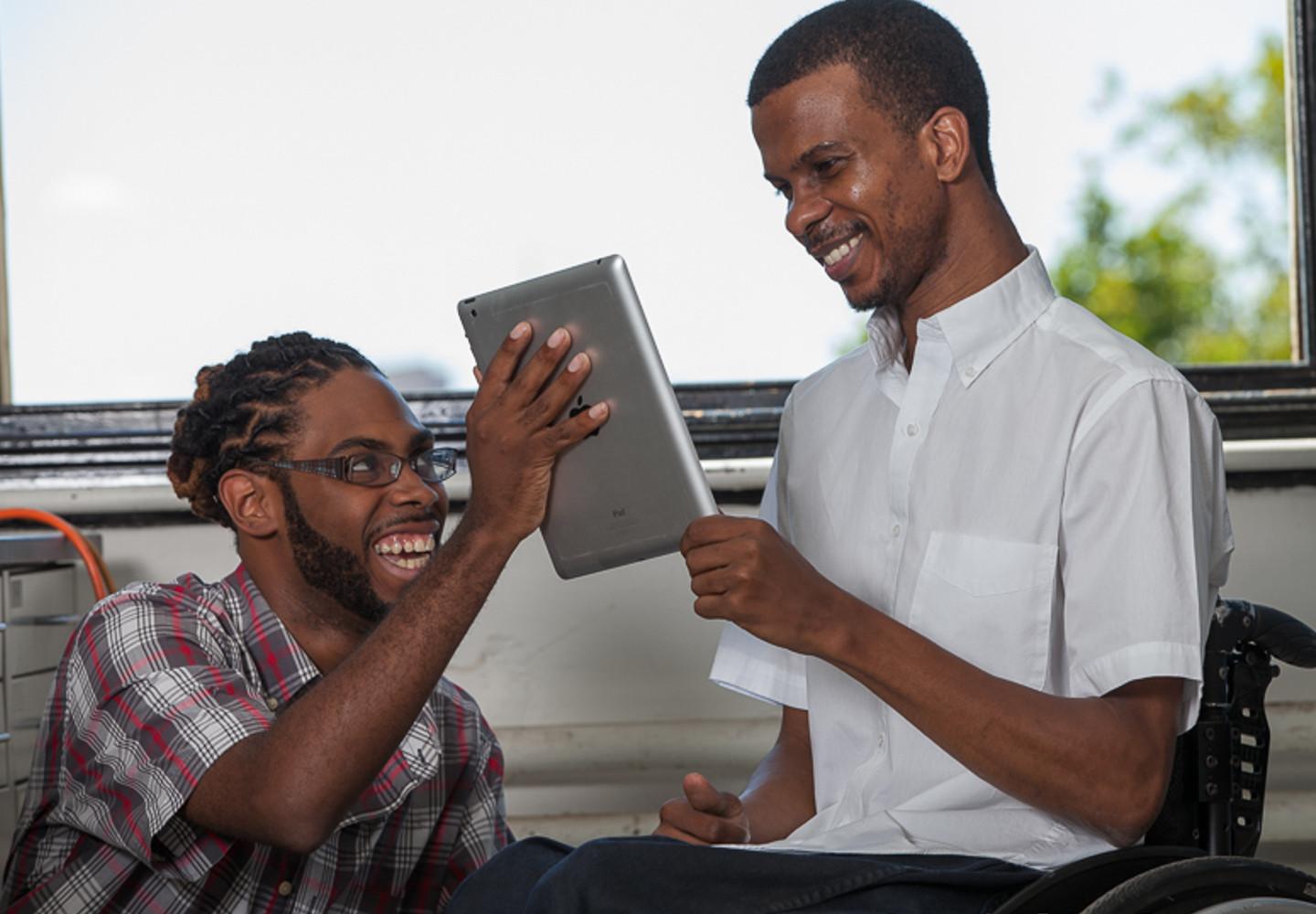
In this recording, PYD staff explain what self-advocacy and disclosure are and how they are important skills for young people with disabilities to learn. The session also goes into detail about how mentors can help their mentees develop these skills.
In this webinar recording, Zoe Gross from the Autistic Self-Advocacy Network (ASAN) explains why the autistic community prefers acceptance to awareness, and we explore ways to make workplaces more inclusive of autistic people.
Become a site member to get full access to all courses, assessments, live webinars, webinar recordings, and guidebooks on Learn.PYD.org.